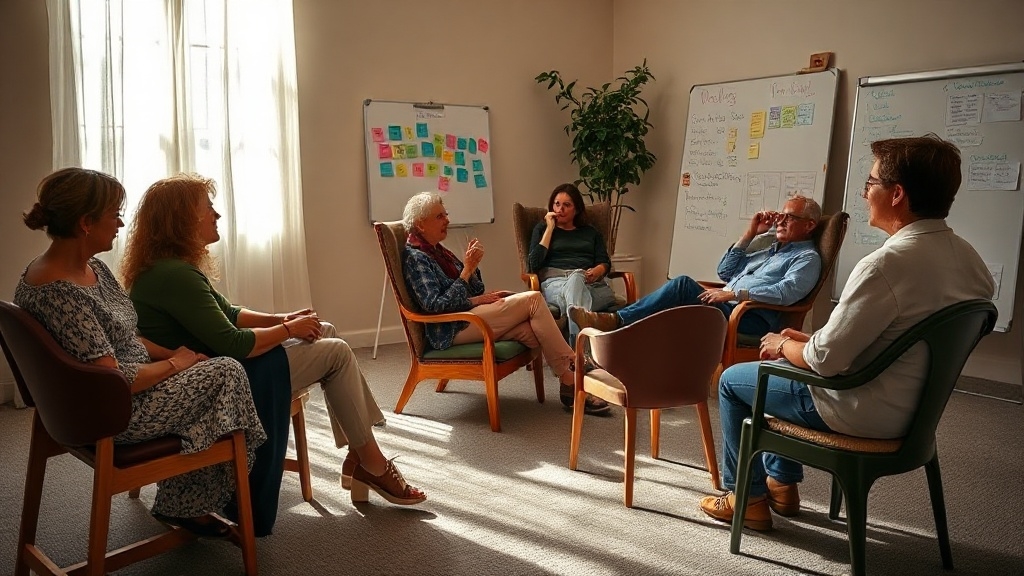
The ideas in “Returning to Work After Addiction Treatment” matter because recovery affects daily life as well as substance use. Sleep, stress, work, and close ties can all play a part.
Age, culture, gender, and home life can affect what support feels safe and useful. Staff should ask about these needs instead of making broad assumptions.
A practical look at Rehab in India may help families ask better questions before they decide. They may review the care team, the daily plan, privacy rules, and follow-up support. These details often shape the quality of the recovery experience.
Brief Overview
- A useful view joins personal needs with clear daily action. Age, gender, culture, and life stage can shape support needs. Practice turns new skills into more natural daily responses. A step-down plan can ease the move back to daily life. Safe practice helps people trust their judgment again.
Balance Care With Daily Roles
A return to work may be easier in stages. Plans can include lighter duties, support calls, safe breaks, and ways to handle social pressure. Daily roles differ by age, gender, culture, and family life. Care should not assume one path fits all. It needs to ask about child care, elder care, travel, money, and safety. Daily roles should fit the person’s age and home life. Work goals can be reviewed as health and confidence improve. The plan should allow for rest after demanding days. Privacy choices should be made with care, not fear. The team should explain how work and home plans will be reviewed.
Culture can shape language, food, faith, and family choice. Sound care makes room for these needs when it is safe. It does not use culture as a fixed label or assume that all families think alike. A phased return can be safer than taking on every duty at once. Support can help a person handle pressure without hiding. A brief review can show whether work and home plans still fits the person’s needs.
Build Skills for Hard Moments
Coping skills are not signs of weakness. They are tools for stress, anger, fear, and grief. Someone can try several and keep the ones that fit. The best tool is one that can be Rehab in India used in daily life. One useful tool is better than a long list that is never used. A skill becomes easier when it is used before stress peaks. Practice helps turn a new step into a more natural response. The care team may help test a skill in a safe way.
Skills need repeat use. A tool may feel odd the first time. Staff may help the person review what worked and what did not. Small changes make the skill more natural and more useful over time. They can keep a short list of tools close at hand. Each tool should fit the person’s life and needs. A trusted Recovery Center should explain how this part of care fits the full plan. The care team can connect coping skills with the person’s wider goals.
Carry Support Into Daily Life
The best time to plan aftercare is before the last day. The care team can book visits, share records with consent, and review warning signs. This reduces the gap between one form of care and the next. Back-up contacts may help if the main plan falls through. The first follow-up visit should be set before care ends. The plan should fit travel, work, family, and cost. The steps for the aftercare plan should remain simple enough for a difficult day.
Aftercare also supports growth. It is not only for crisis. An individual can keep working on trust, goals, health, and joy. Recovery becomes more stable when life has meaning as well as rules. A gap in support can be fixed when it is noticed early. Aftercare should include goals for health and daily life. Ongoing review keeps support useful as needs change.
Rebuild Trust in Personal Ability
Trained staff should not do every task for the person. Support can be strong while still leaving room for choice. This helps the person practice judgment in a safe setting. Confidence grows through action, not pressure. Support should leave room for safe personal choice. Small wins give the person facts to trust. They can ask what support will keep self-trust on track.
A record of small wins can help on high-stress days. It may include kept visits, honest talks, or safe choices. Looking back at facts can challenge the thought that no progress has been made. Practice makes new choices feel less strange. A kept promise can matter more than a bold claim. A setback can be reviewed without erasing past progress. A written note may help the person use ideas from self-trust at home.
Frequently Asked Questions
Do age and life stage affect care?
Yes. Young adults, older adults, and working parents may face different risks and duties. Plans should reflect those needs.
Why must skills be practiced?
A new skill can feel strange at first. Practice makes it easier to use when stress is high and clear thought is harder.
Why is a step-down plan useful?
It reduces the gap between high support and daily life. Contact can decrease as the person gains skill and stability.
How does confidence return?
It grows through small actions that are planned and completed. Real examples of progress are more useful than broad praise.
When is professional input most important?
Professional input matters when risk is unclear, symptoms are severe, past attempts failed, or the issue in “Returning to Work After Addiction Treatment” feels hard to manage alone.
Summarizing
“Returning to Work After Addiction Treatment” is easier to understand when the whole path is considered. The path may include assessment, daily care, practice, and aftercare. Each part should have a plain purpose.
Families and individuals can use these points to ask better questions and avoid rushed choices. The aim is not a perfect path. It is a practical path that can be reviewed, strengthened, and used in day-to-day life.